
Assault Cases Involving Foreigners: What Both Victims and Perpetrators Need to Know
#Criminal Defense
#칼럼


What happens if a foreign worker in Korea finds themselves involved in an assault incident at a social gathering,
or if they suddenly become a victim of assault on the street?
Assault cases involving foreigners don't end with criminal punishment.
Perpetrators can face deportation, while victims often struggle to assert their rights due to language barriers.
In this legal article, we'll explain what legal responsibilities and rights arise
when a foreigner is either the perpetrator or victim of an assault case.
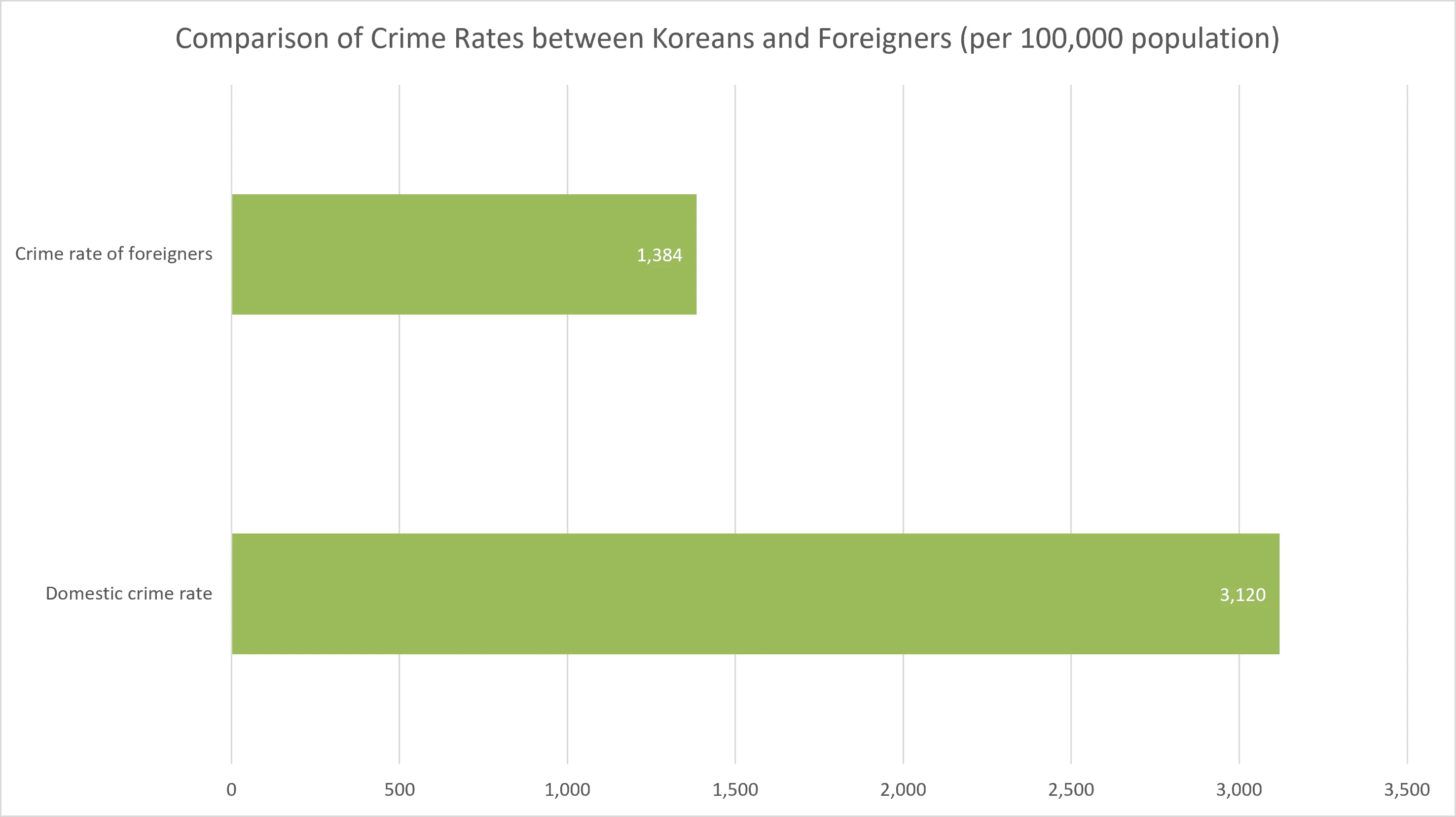
When a foreigner commits assault within Korean territory, the Korean Criminal Code applies pursuant to Article 2 of the Criminal Code.
This means foreigners face the same legal standards as Korean nationals.
Article 260 of the Criminal Code defines assault as punishable by up to 2 years imprisonment,
a fine of up to 5 million won, detention, or a fine.
Similarly, if a foreigner is an assault victim, they receive identical legal protection as Korean citizens.
Regardless of their visa status—whether tourist, worker, student, or long-term resident—the protections under the Criminal Code apply equally.
What's important is that if the victim sustains injuries, the offense becomes injury under Article 257 of the Criminal Code
(up to 7 years imprisonment/10 million won fine), which carries significantly heavier penalties.
If a weapon was used or multiple people participated in the assault,
special assault charges (up to 5 years imprisonment/10 million won fine) may apply.
The most critical fact for foreigners involved in assault cases is that criminal proceedings and immigration procedures operate independently.
Even if a criminal trial results in a fine, the immigration authority conducts a separate
"criminal review" to determine whether the foreigner may continue their stay.
Immigration authorities assess not just the severity of punishment,
but also the nature of the crime, risk of reoffending, and impact on public order and safety.
In practice, those convicted to fines of 3 million won or higher, or imprisonment,
face high risk of visa renewal denial, revocation of stay status, or deportation proceedings.
Many foreign perpetrators become complacent after their criminal sentences,
only to receive deportation notices later during immigration proceedings.
Foreign assault victims have the right to file a police report.
You can report to police at the scene immediately or visit your local police station to file a complaint.
If you don't speak Korean fluently, you can request multilingual interpretation services at the police station.
When reporting, provide as much detail as possible about where and when the incident occurred,
the perpetrator's appearance, and witness information.
After reporting, you must visit a hospital to obtain a medical certificate.
This certificate is the most critical evidence determining whether assault will be prosecuted as injury or simple assault,
and it's essential documentation for later civil damages claims.
For foreign perpetrators, settlement with the victim can significantly reduce criminal penalties
and serves as positive evidence in immigration proceedings, demonstrating the victim's lack of grievance.
Therefore, pursuing prompt settlement from the police investigation stage is crucial.
Settlement amounts are determined based on the victim's medical expenses, consolation money, and other damages.
By offering a reasonable settlement amount and executing a settlement agreement,
the perpetrator can secure an advantageous position in the criminal trial.
Settlement documentation is also submitted during immigration proceedings,
so how this stage is handled greatly influences the final outcome.
Foreign victims can also preserve evidence and receive damages compensation.
If the assault was recorded on CCTV, request the footage; if there were witnesses, record their contact information.
Photographs of injuries from the assault also serve as evidence.
In assault cases, when victim and perpetrator reach a settlement, simple assault charges may be dismissed entirely.
Settlement amounts include medical expenses,
lost income during treatment or hospitalization, and consolation money for emotional distress.
Separately from criminal settlement, victims can also file civil damages claims in court.
During settlement negotiations, be cautious about accepting unreasonably low offers,
and demand reasonable compensation based on actual medical expenses and standard consolation amounts.
The most important factor in assault cases involving foreigners is initial response.
For perpetrators, statements made during police investigation directly influence
both the criminal verdict and immigration review outcome.
When language barriers cause misunderstandings or lead to unfavorable statements, they become difficult to correct.
Therefore, before police questioning, it's essential to seek expert assistance
to clearly organize the facts and prepare to present your position accurately.
For victims, prompt action is critical: timely reporting, obtaining medical certificates, and securing CCTV footage.
Evidence can disappear with time.
A victim's clear intent and proper evidence preservation form the foundation for ensuring
the perpetrator faces appropriate punishment and for receiving damages compensation.
If a foreign national residing in Korea becomes involved in an assault case,
both their criminal liability and stay status are simultaneously at risk.
An integrated strategy addressing both criminal and immigration matters is essential.
If you're a foreign victim of assault, report it to police without hesitation and begin legal proceedings.
Since initial response is critical, with expert legal assistance you can systematically address the situation—
perpetrators can avoid deportation and victims can achieve justice.
If you're facing difficulties related to a foreigner assault case, please contact Maeil & Kim Law Firm for consultation.
We provide comprehensive legal support from criminal trials to immigration proceedings to civil damages claims.